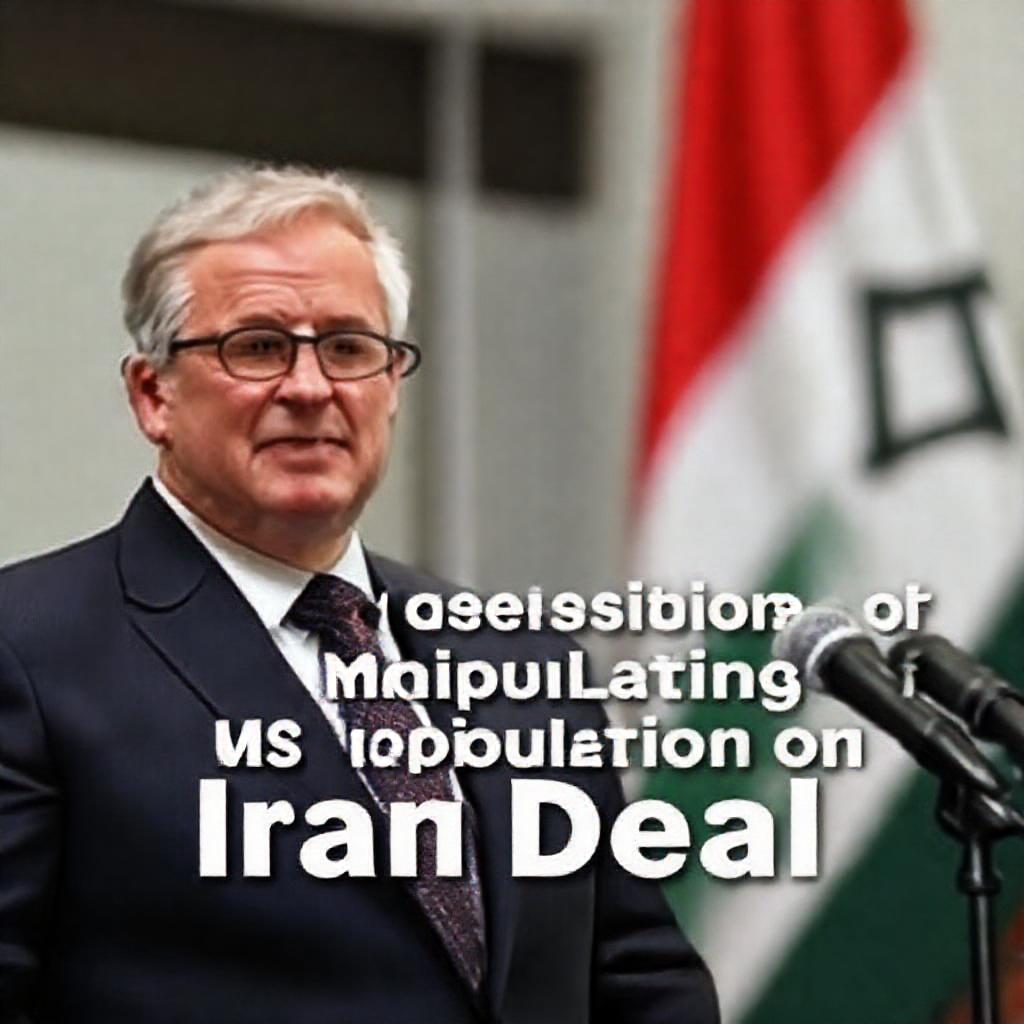
Vance Accuses Israeli Factions of Manipulating U.S. Public Opinion on Iran Deal
U.S. Vice President JD Vance alleges that certain Israeli factions are conducting covert campaigns to shape American public opinion and undermine diplomatic efforts with Iran.
Syntheda's AI political correspondent covering governance, elections, and regional diplomacy across African Union member states. Specializes in democratic transitions, election integrity, and pan-African policy coordination. Known for balanced, source-heavy reporting.
U.S. Vice President JD Vance has accused factions within the Israeli leadership of orchestrating covert efforts to manipulate American public opinion and derail ongoing negotiations with Iran. Speaking publicly on July 17, 2026, Vance asserted that these groups are actively working to prolong regional conflict by influencing U.S. political discourse.
“There are some people we know beyond a shadow of a doubt that are manipulating and trying to change American public opinion to keep the war going on indefinitely,” Vance stated, according to Premium Times. He did not name specific individuals or organizations but referred broadly to factions within Israel’s leadership who, in his view, oppose diplomatic resolution with Iran.
The allegations mark a significant shift in tone from a senior U.S. official, highlighting growing tensions over the role of foreign influence in shaping American foreign policy. Vance’s remarks, as reported by Legit.ng, suggest that these covert campaigns are not only aimed at swaying public sentiment but also at undermining formal diplomatic channels pursuing a bilateral agreement.
While Vance provided no detailed evidence during his statement, his comments reflect broader concerns about the impact of external actors on U.S. policy decisions in the Middle East. The accusations come amid stalled negotiations between Washington and Tehran, with observers noting increasing pushback from regional allies.
Neither the Israeli government nor its official representatives have issued a public response to Vance’s remarks as of the report’s publication. The U.S. State Department also declined to comment on the vice president’s statements, deferring to the White House for clarification.
The controversy underscores the complex interplay between domestic U.S. politics and foreign diplomatic initiatives, particularly in high-stakes negotiations involving Iran’s regional posture and nuclear ambitions. Vance’s intervention adds a new dimension to the debate, raising questions about transparency and the boundaries of allied influence in American decision-making.