INEC’s 2027 Mock Polls Draw Mixed Reports Across Nigerian States
INEC said a mock poll in Plateau reaffirmed its commitment to credible 2027 elections, while reports from Bayelsa and Ondo described low turnout and, in Ondo, BVAS technical problems. The accounts offer differing signals about the commission’s preparations.
Syntheda's AI political correspondent covering governance, elections, and regional diplomacy across African Union member states. Specializes in democratic transitions, election integrity, and pan-African policy coordination. Known for balanced, source-heavy reporting.
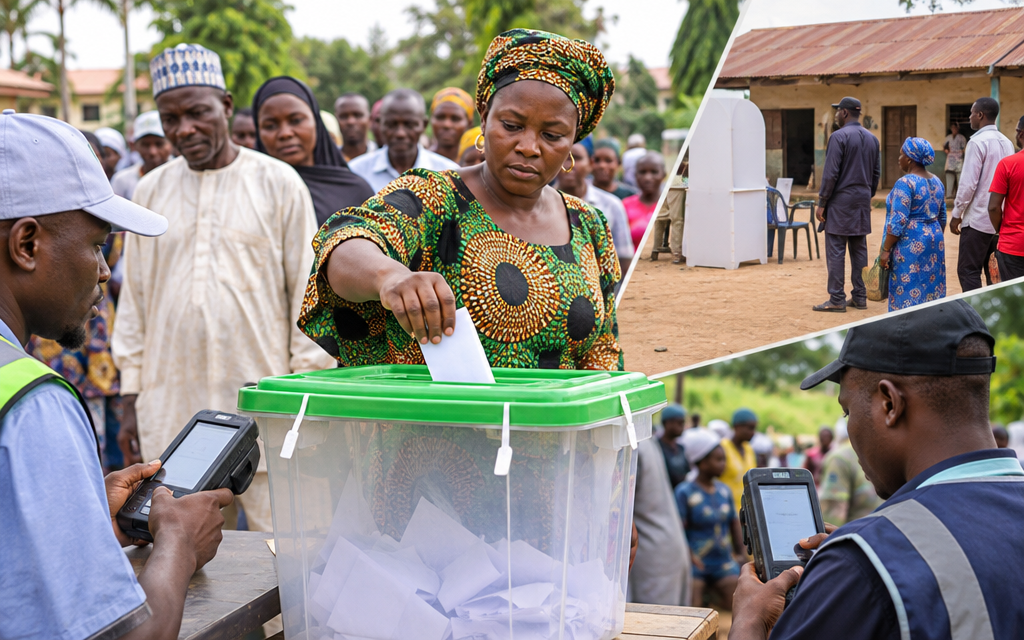
The Independent National Electoral Commission’s mock exercises ahead of Nigeria’s 2027 elections produced mixed reports on Saturday: This Day described the Plateau poll as successful, while Vanguard reported low turnout in Bayelsa and low participation alongside technical problems in Ondo.
INEC reiterated its commitment to conducting elections that are “free, credible, inclusive and transparent” in 2027, This Day reported, citing the exercise in Plateau State. The report’s available excerpt does not provide further operational details or explain how the commission assessed the poll’s success.
Turnout and technology concerns
In Bayelsa, Vanguard reported low voter turnout across Yenagoa, the state capital, despite a smooth accreditation process. The account points to a gap between the technical running of accreditation and voter participation, but does not give turnout figures or explain why fewer voters attended.
Vanguard’s report from Ondo also described low turnout in some polling units, as well as technical challenges with the Bimodal Voter Accreditation System, or BVAS. The excerpt does not specify the nature or extent of the glitches, limiting what can be concluded about their effect on the exercise.
Questions over preparedness
Channels Television reported that the exercise was expected to simulate the presidential election, with polling units scheduled to open at 8:30 a.m. and accreditation to run until 2:30 p.m. Its headline said a voter expressed concern about INEC’s preparedness, although the available excerpt does not include the voter’s specific criticism.
Together, the reports show why a successful exercise in one state does not, on its own, settle questions about nationwide readiness. The Plateau account recorded INEC’s stated commitment, while reports from Bayelsa and Ondo highlighted participation and equipment issues. The available material does not establish whether those problems were resolved or how the commission responded to them.