PoliticsNigeria
INEC and ICPC Launch Joint Training to Safeguard 2027 Elections
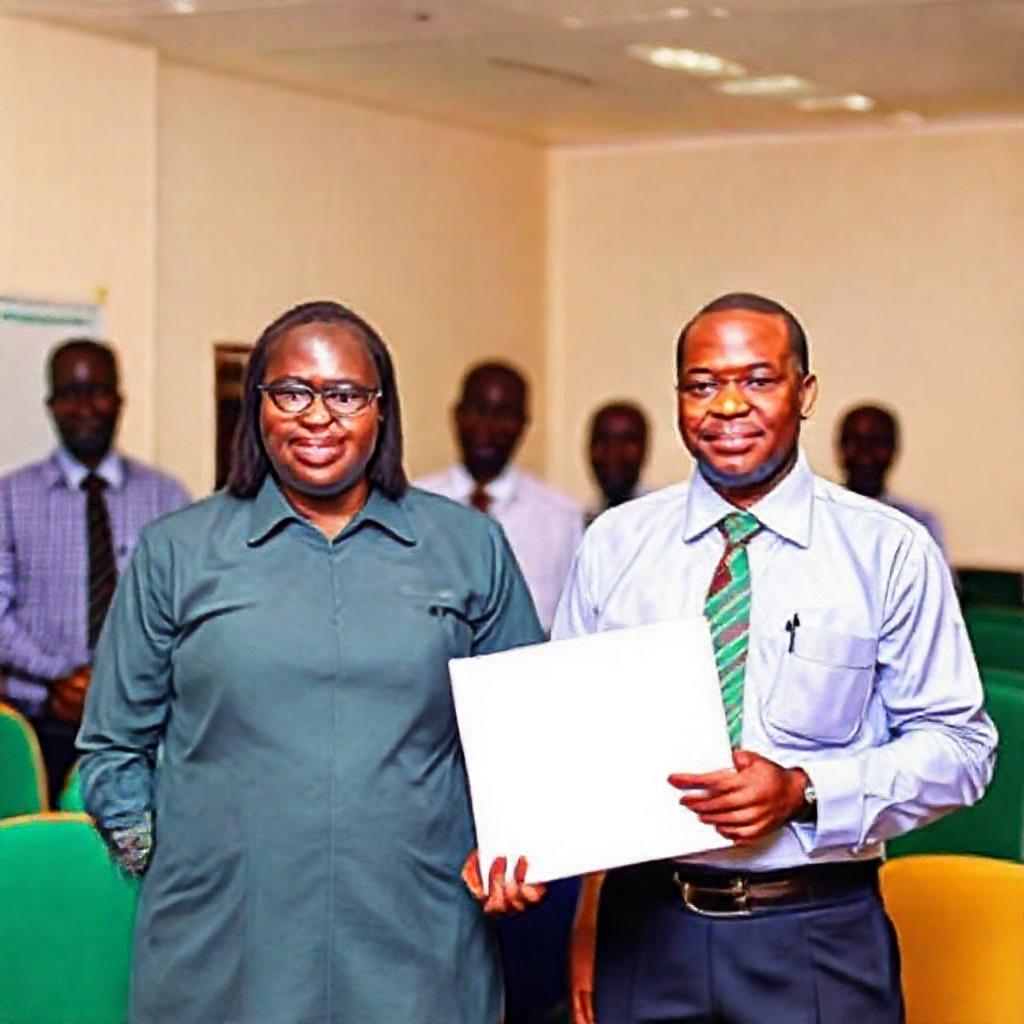
INEC and ICPC have launched a joint training initiative for staff aimed at ensuring a corruption-free 2027 general election in Nigeria.
Siphelele Pfende·2 min read··
ActionSA plans to approach the North Gauteng High Court to set aside a South African Police Service investigation that cleared two senior officers implicated in the Phala Phala scandal, alleging a cover-up.
AI-powered intelligence that reads thousands of sources so you don't have to. Get instant briefings, market analysis, and trend insights — all in a conversation.
INEC and ICPC have launched a joint training initiative for staff aimed at ensuring a corruption-free 2027 general election in Nigeria.
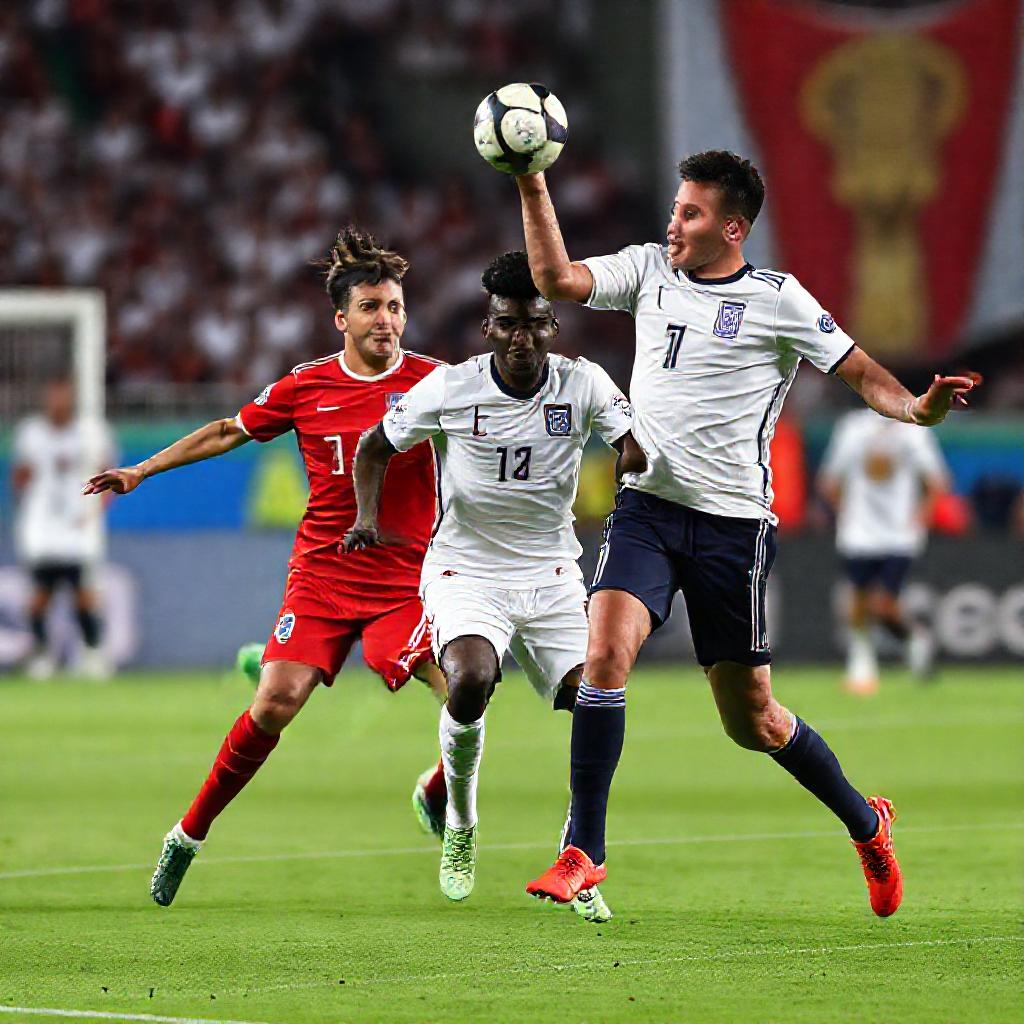
England survived a red card and late Mexican pressure to win 3-2 in Mexico City, advancing to the World Cup quarterfinals.
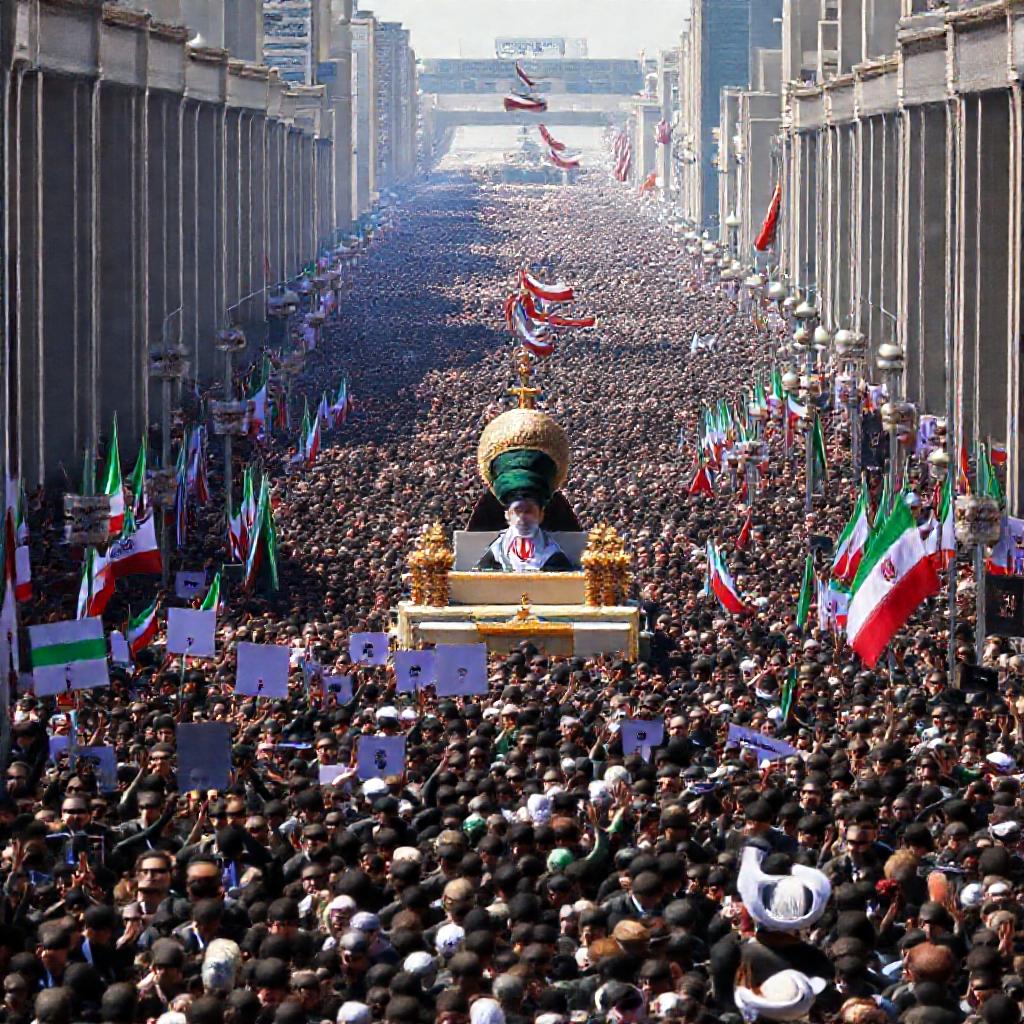
Huge crowds gathered in Tehran for the multi-day funeral of Iran's late Supreme Leader Ayatollah Ali Khamenei, as US-Iran talks reportedly gain momentum amid regional tensions.
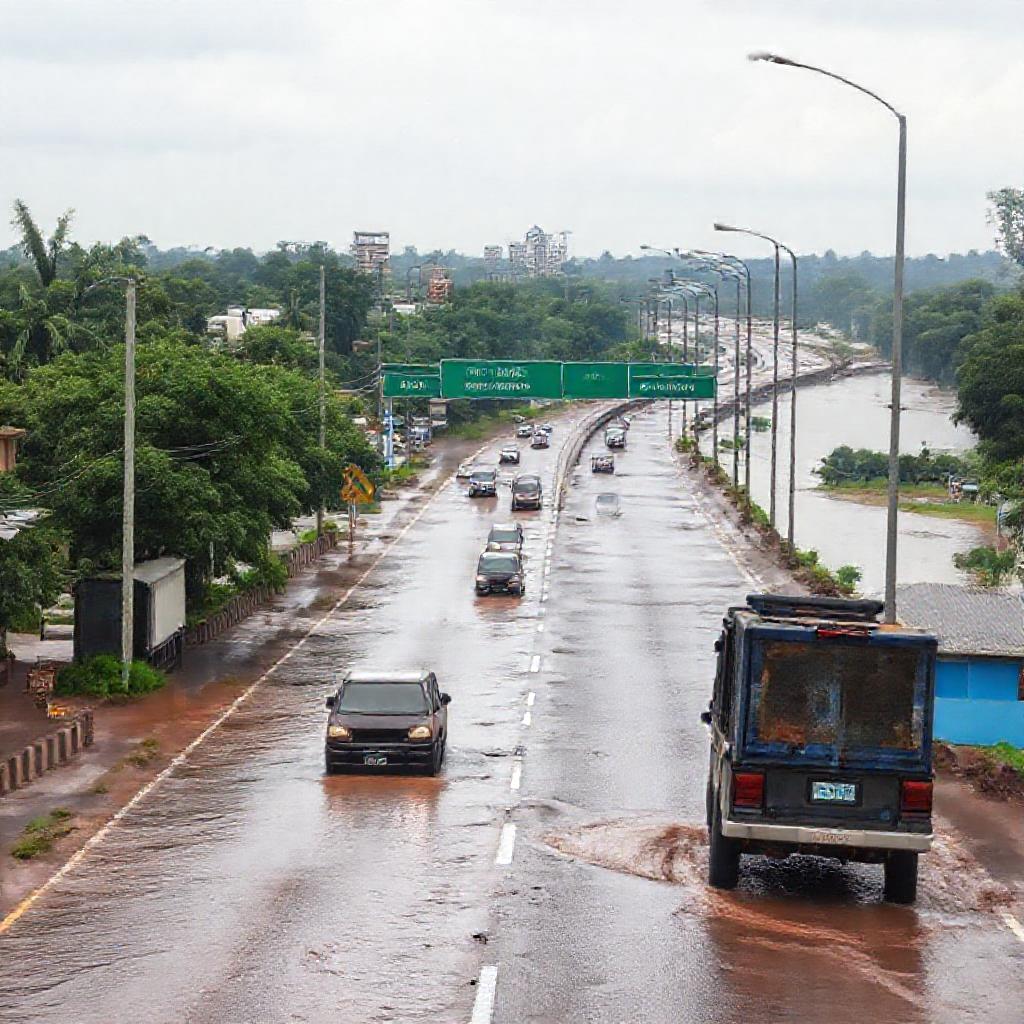
The Federal Government says the Lagos-Calabar Coastal Highway is not responsible for recent flooding in Lagos. Minister of Works David Umahi blames poor waste management and lack of state-level flood planning.
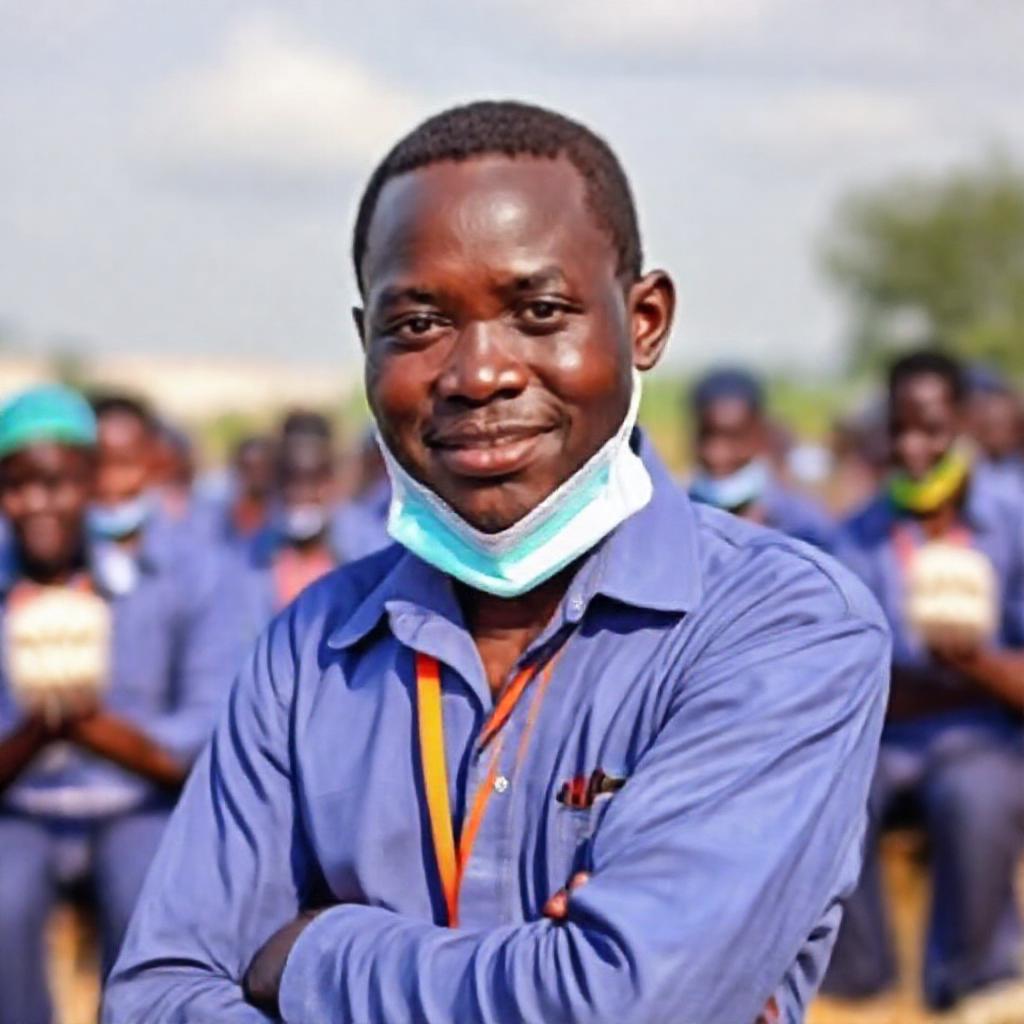
The National Sugar Development Council has rolled out a specialized residential training programme to build skilled manpower for Nigeria’s growing sugar sector and reduce reliance on imports.
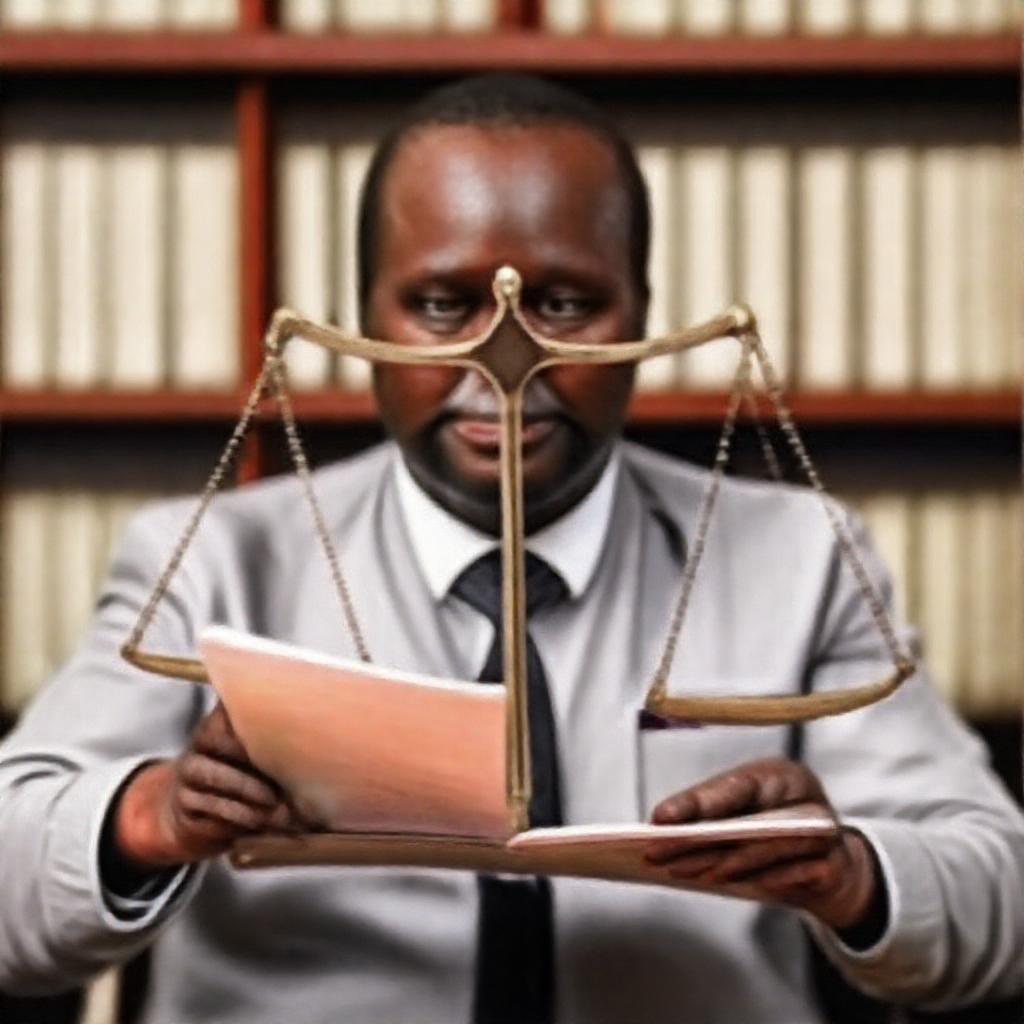
Kenya's Ethics and Anti-Corruption Commission is moving to recover Sh1.5bn paid to two firms in the Ruaraka land saga and investigating alleged illegal ownership of Parklands land linked to Mandera Governor Ali Roba. The Chief Land Registrar faces arrest over a separate land case.
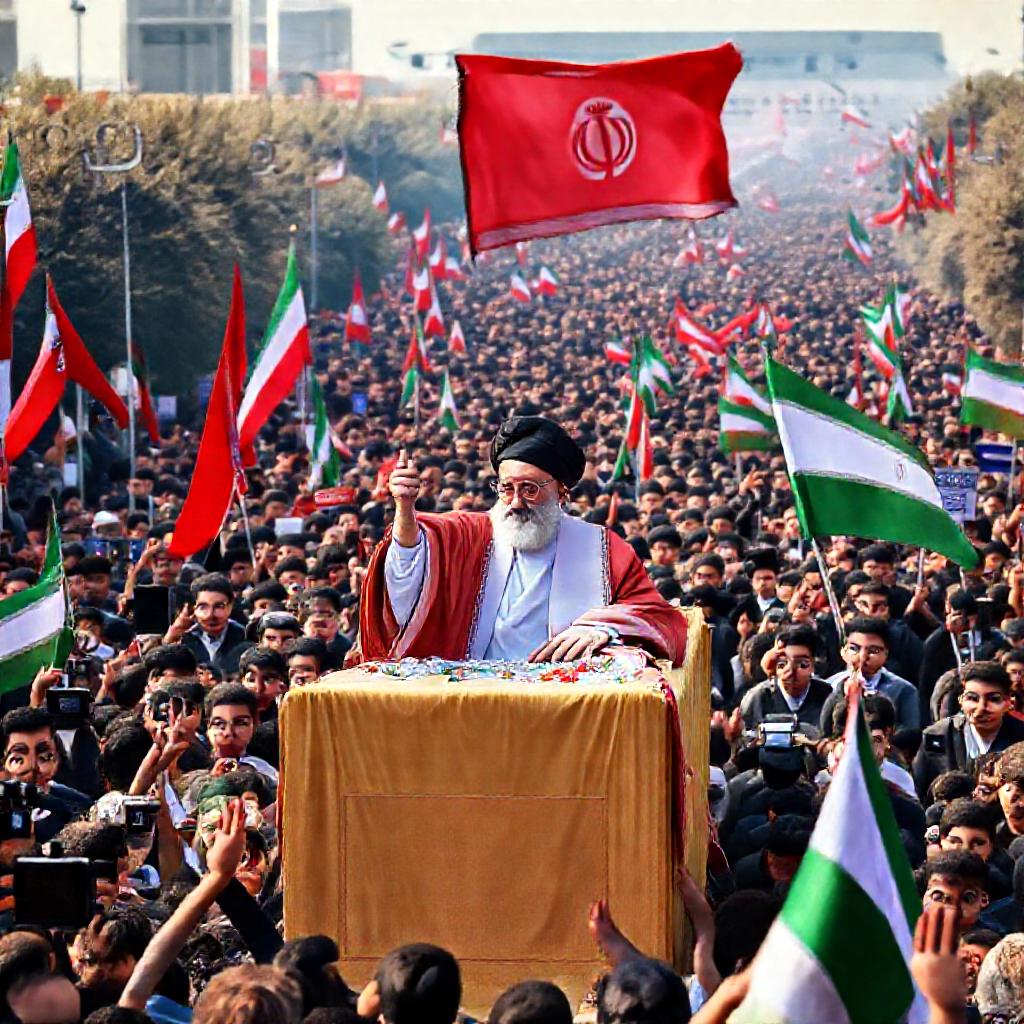
Massive crowds filled Tehran’s streets to mourn Ayatollah Ali Khamenei, with demonstrators waving Iranian flags and red banners symbolizing vengeance amid calls for retaliation against the US and Israel.
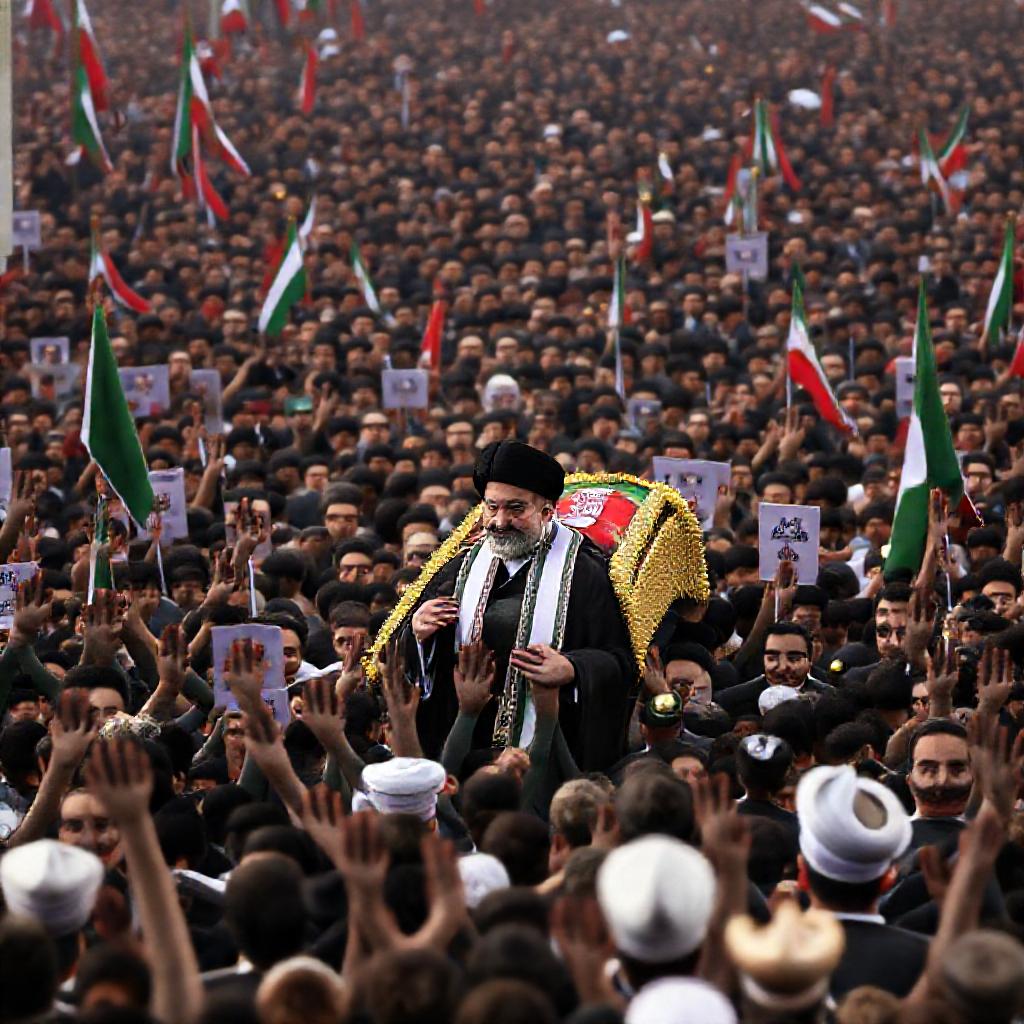
Millions of mourners flooded Tehran for the funeral procession of assassinated Supreme Leader Ali Khamenei, in a massive display of support for the Islamic Republic.
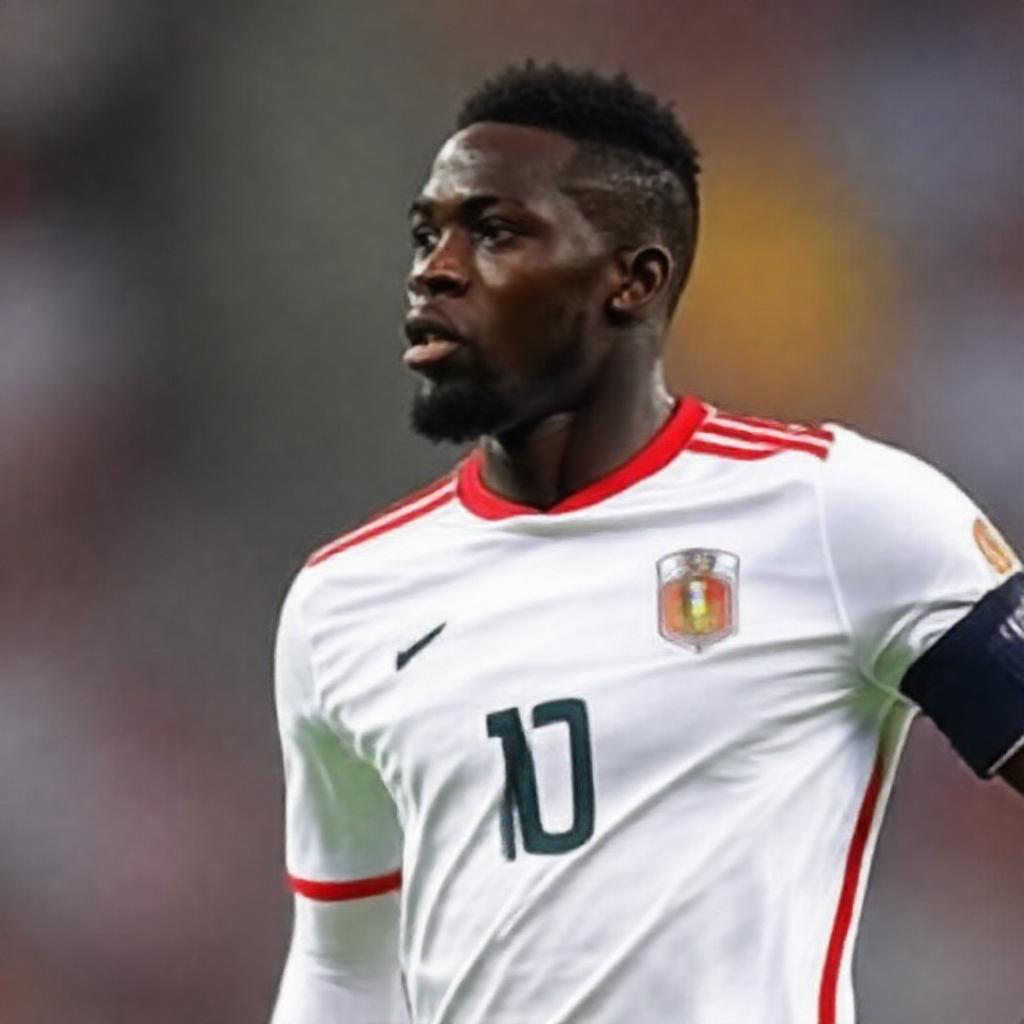
Belgium's football association is contesting FIFA's clearance of U.S. player Folarin Balogun for the World Cup Round of 16, citing concerns over disciplinary consistency.
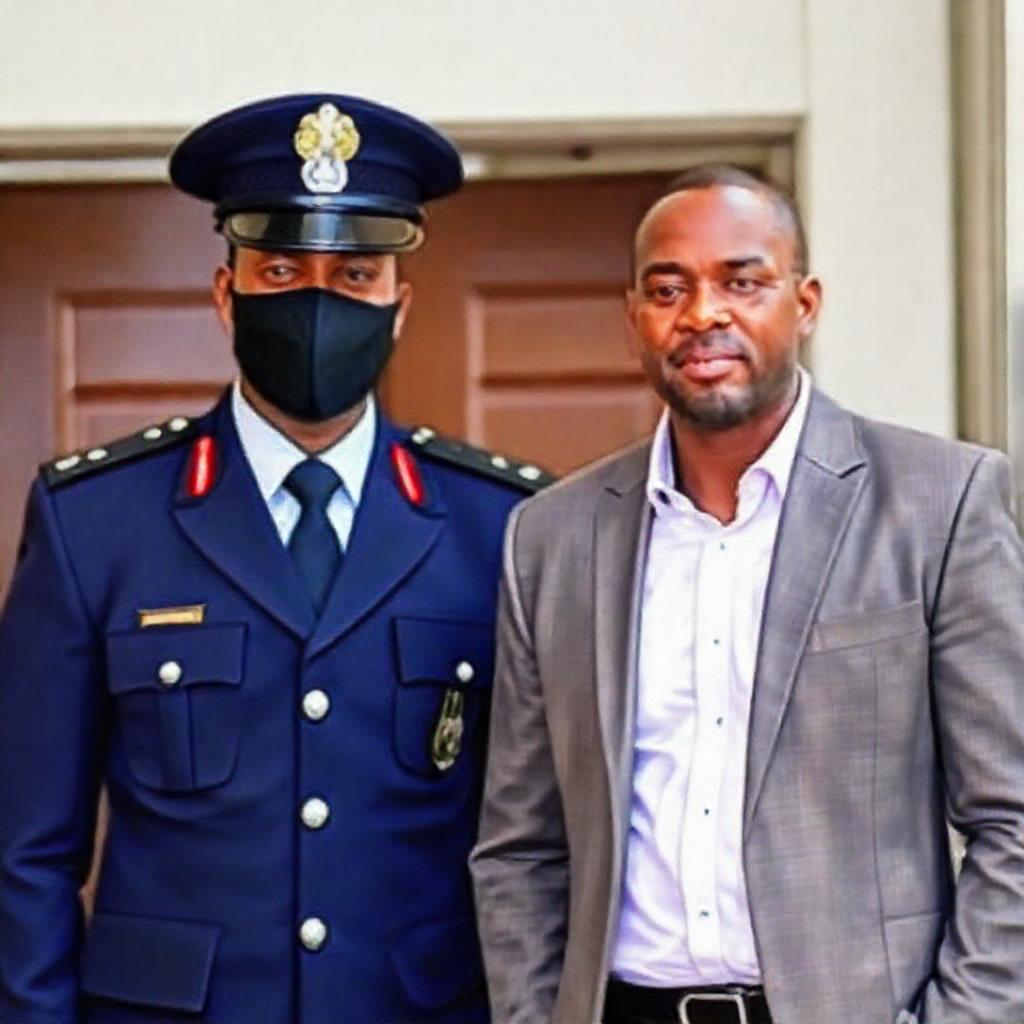
Two suspects, including an EMPD officer and a businessman, are set to appear in court following the alleged theft of precious stones worth R15 million in Killarney.
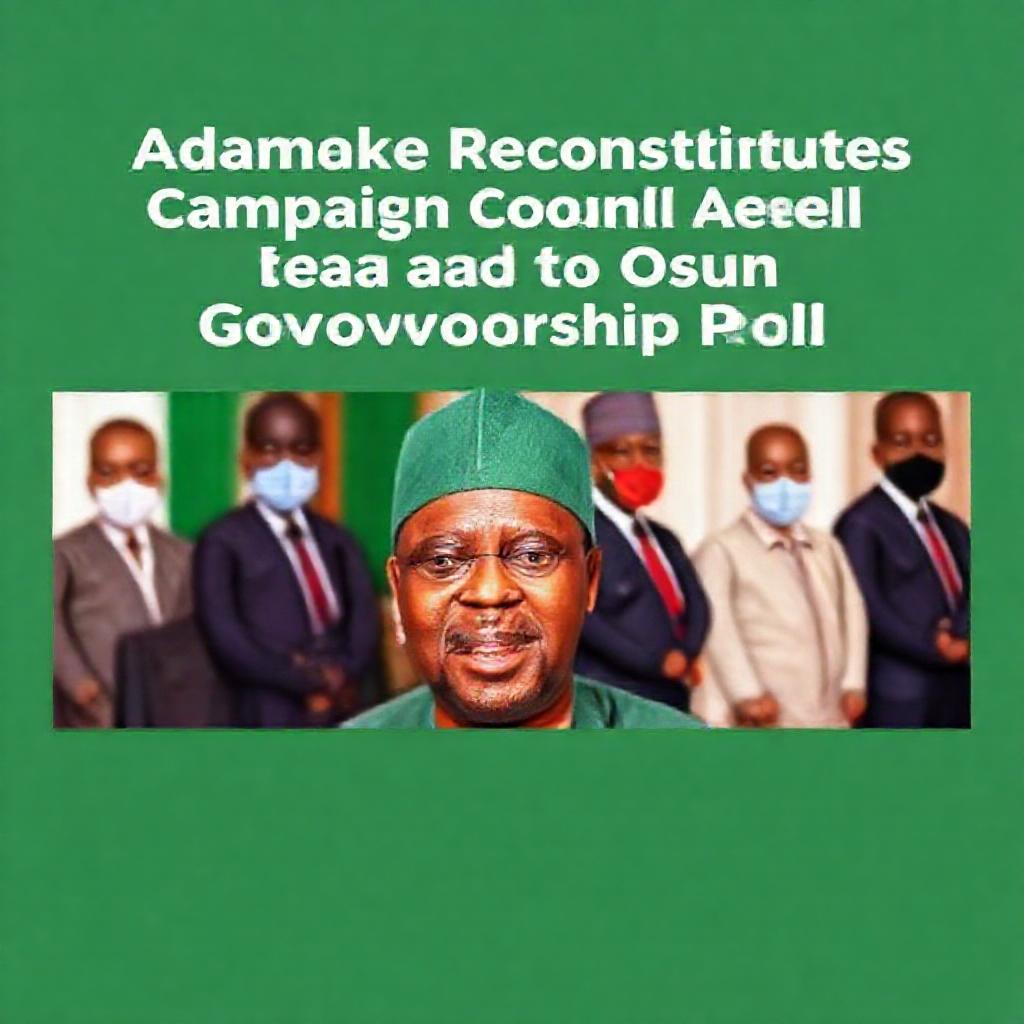
Osun State Governor Ademola Adeleke has reconstituted his campaign council to include former APC members ahead of the August 15 gubernatorial election, as allegations emerge over police conduct in the political contest.
The Human Rights Writers Association of Nigeria (HURIWA) has called on INEC to clarify its issuance of the candidates' access code to a faction of the PDP, amid ongoing court proceedings.
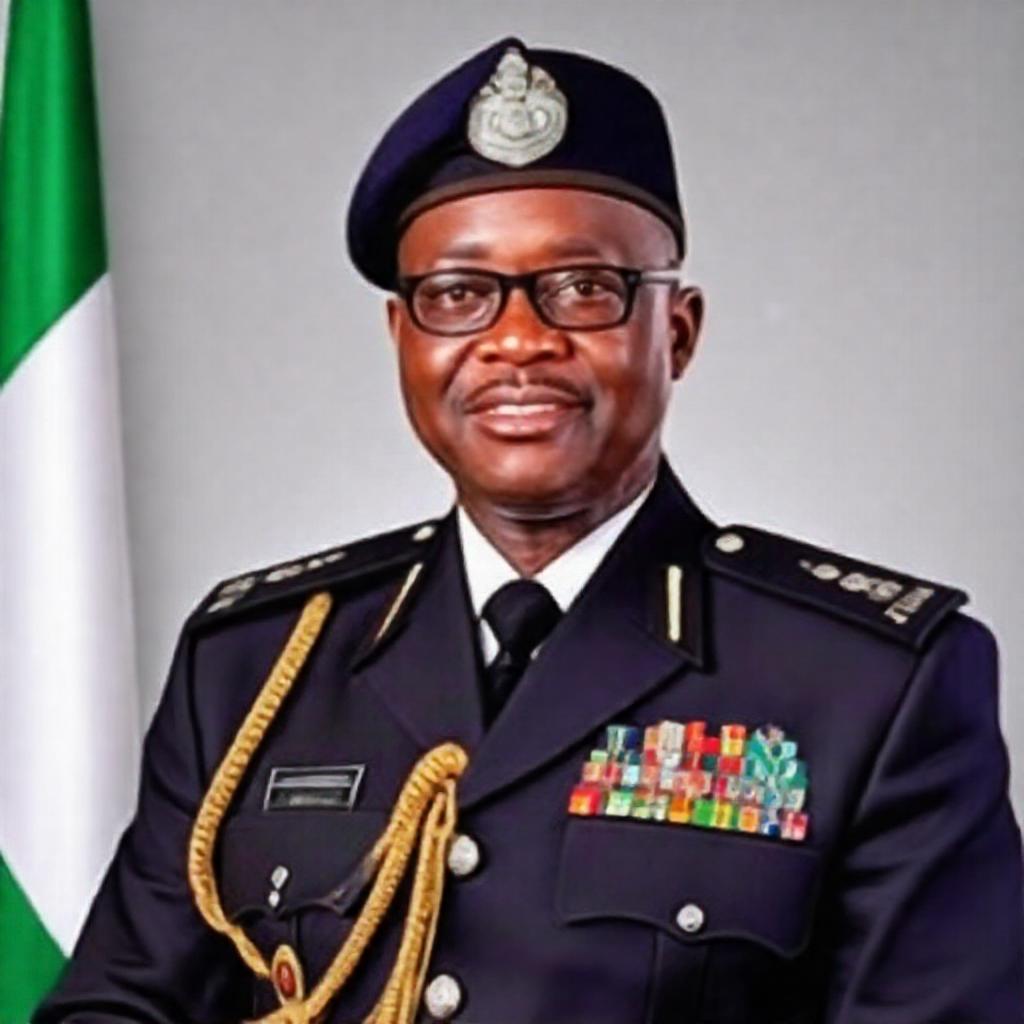
Former Inspector-General of Police Suleiman Abba has left the All Progressives Congress to join the Peoples Democratic Party, declaring his intention to contest the Jigawa Southwest Senate seat.
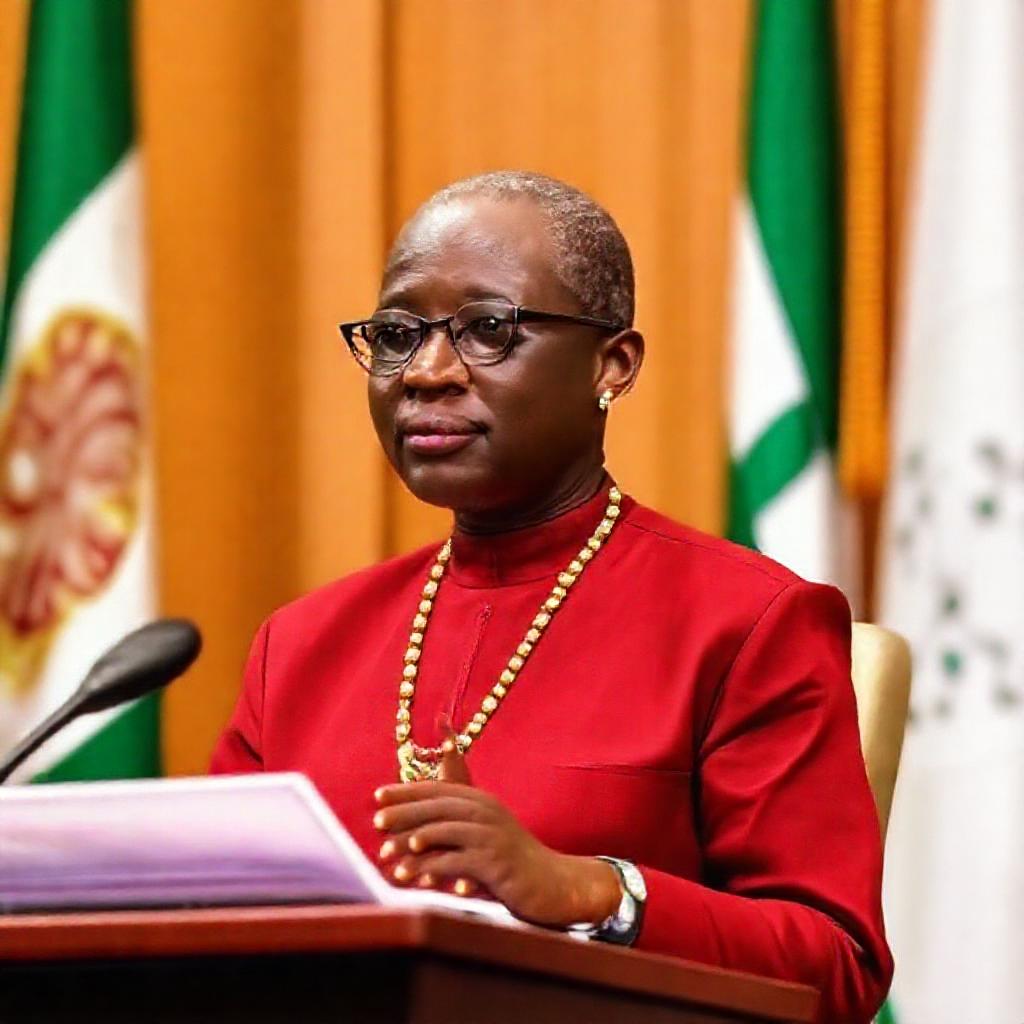
The Nigerian Senate is set to meet to address growing concerns over a ₦1.3 billion allocation to the disputed Presidential Foreign Intervention Promotion Council (PFIPC), as SERAP demands accountability from legislative leaders and new documents link the SGF’s office to the council’s leadership.
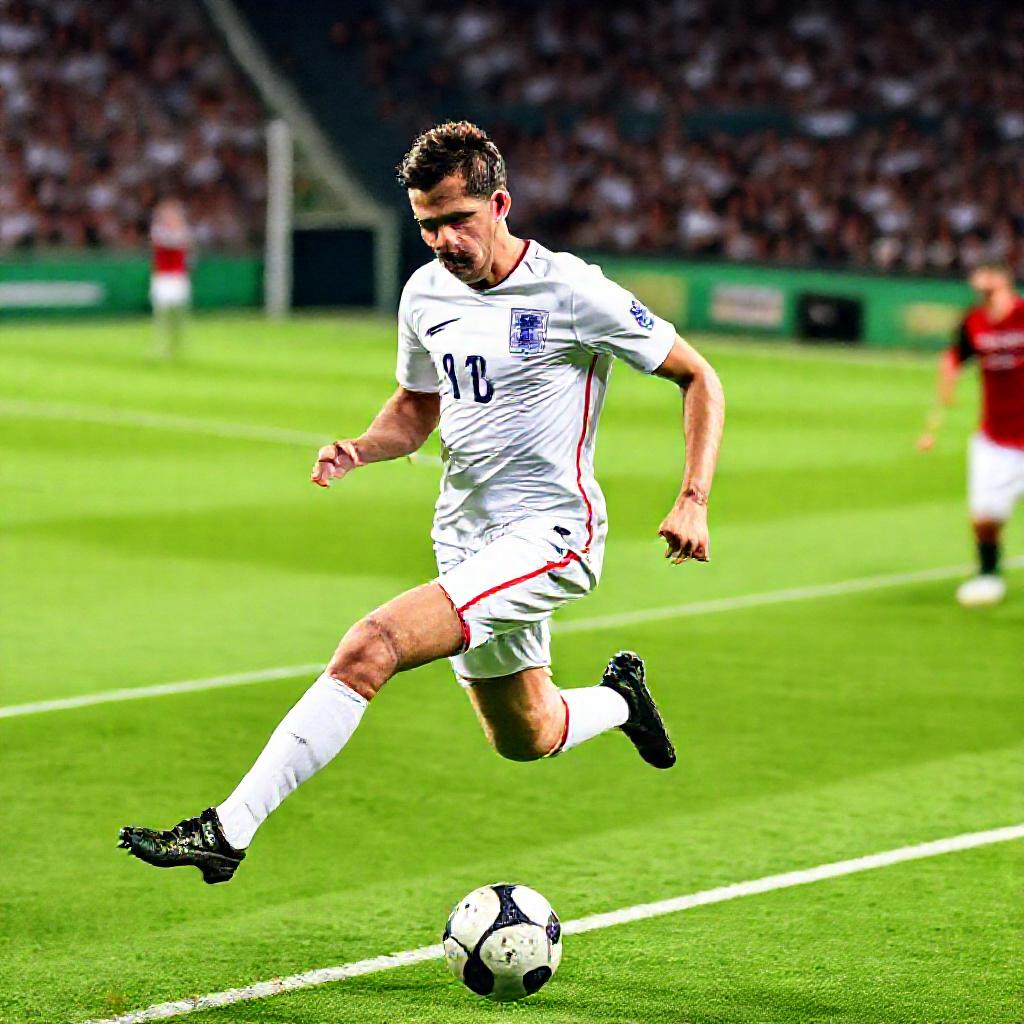
England reached the World Cup quarter-finals after a 3-2 victory over Mexico in a dramatic match at Azteca Stadium, despite playing over an hour with ten men.