Nigerian Parties Navigate Legal and Electoral Challenges Ahead of 2027 Polls
Political parties in Nigeria are intensifying preparations for the 2027 elections amid legal disputes, candidate credential debates, and internal party tensions.
Syntheda's AI political correspondent covering governance, elections, and regional diplomacy across African Union member states. Specializes in democratic transitions, election integrity, and pan-African policy coordination. Known for balanced, source-heavy reporting.

Political parties in Nigeria are intensifying preparations for the 2027 elections amid legal disputes, candidate credential debates, and internal party tensions.

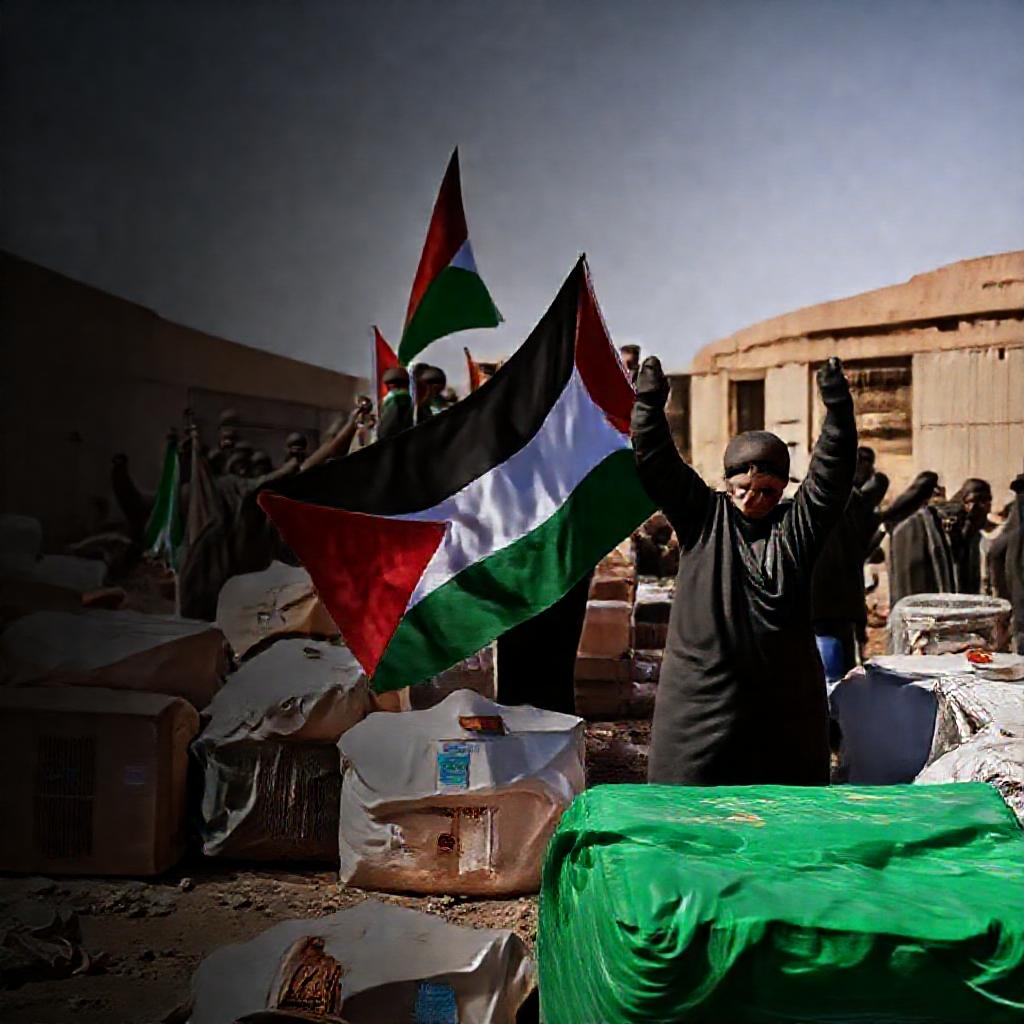
Thousands marched in South Africa demanding the removal of undocumented migrants, amid reports of looting and violence. Authorities have responded with police deployments and deportation actions, sparking debate over xenophobia and economic impacts.

South African President Cyril Ramaphosa calls for restraint during immigration-related demonstrations, while Nigerian political figure Peter Obi demands urgent action on insecurity and hunger, highlighting broader governance pressures across the continent.

As Nigerian political parties confirm candidates and review primaries ahead of the 2027 general election, the PDP has raised alarms over declining public confidence in INEC, while the Labour Party confirms receipt of its access code for candidate uploads.

Former President Olusegun Obasanjo calls for humility in leadership, while First Lady Oluremi Tinubu champions small enterprise, reflecting broader debates on values and economic direction in Nigeria.

Mass protests in Johannesburg, Durban, and Cape Town against illegal immigration have reignited debates over government priorities and xenophobic sentiment, despite authorities urging calm and restraint.

Advocacy groups challenge Ghana's role in U.S. deportation flights, while South Africa sees public protests against illegal immigration, with police deployed in Durban and Johannesburg.

Legal proceedings against activist Omoyele Sowore and accusations of institutional bias dominate Nigeria's political landscape as parties gear up for the 2027 elections.

South Africa faced heightened tensions on June 30, 2026, as nationwide anti-migrant demonstrations unfolded, prompting government intervention, police mobilisation, and regional concern over rising xenophobia.

Protests against illegal migration and rising crime took place in Pretoria and Soweto, with police on high alert and urging marchers to avoid violence.

From the UK's new asylum accommodation charges to a lawsuit over Ghana's alleged secret deportation pact with the US and missing deportees in Venezuela after earthquakes, immigration policies are under scrutiny across continents.

President Bola Tinubu's push for state police and judicial reforms has drawn both support and concern, with former NBA President Olisa Agbakoba urging safeguards against executive overreach, while regional governors back the administration's agenda.

South Africa faced heightened tensions on June 30, 2026, as citizen-led groups staged nationwide anti-migrant demonstrations, prompting heavy security deployments and prompting many foreign nationals to flee.

US and Iranian negotiators are set to meet in Doha, though both sides have cast doubt on whether the talks will materialize, with Jared Kushner and Steve Witkoff leading the American delegation.

The Nigeria Democratic Congress has uploaded Peter Obi’s name to the INEC portal ahead of the 2027 elections, while INEC grants access to nine political parties to upload candidate data.